The European Union has approved its trade agreement with the United States, allowing duty-free access for U.S. industrial goods while accepting a 15% tariff on most European exports.
BRUSSELS — The European Union on Thursday formally approved a trade agreement with the United States that allows U.S. industrial goods to enter the EU market duty-free while imposing a 15% tariff on most European exports to the United States.
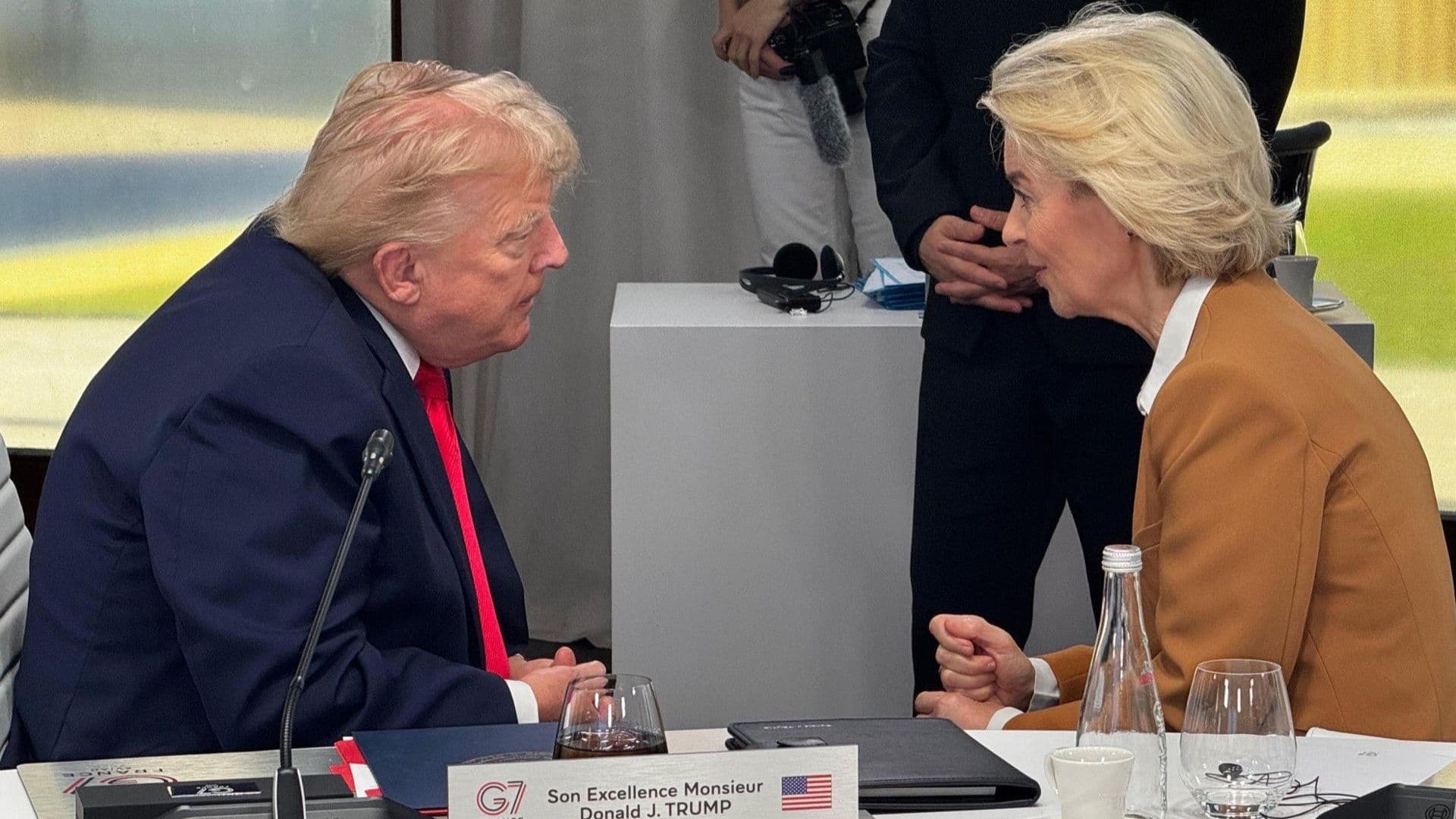
The Council of the European Union gave its final approval to the agreement reached a year ago between European Commission President Ursula von der Leyen and U.S. President Donald Trump.
The agreement includes safeguard mechanisms allowing the European Commission to suspend all or part of the deal if Washington fails to honor its commitments or if increased U.S. imports seriously harm European industries.
The EU plans to publish the agreement in its Official Journal on June 30, allowing it to enter into force on July 1—just days before the July 4 deadline set by Trump, who had threatened additional tariffs if no agreement was reached.
Asked about Trump’s latest warnings regarding tariffs on imports from countries accused of human rights violations, European Commission trade spokesperson Olof Gill declined to comment until the agreement is officially published.
“The final step in implementing the agreement will take place next week, and we will have more to say then,” Gill told reporters.
However, Gill stressed that Brussels expects Washington to respect the agreement.
“A deal is a deal,” he said, adding that the European Union hopes to continue negotiations aimed at reducing tariffs on additional products.
As part of the agreement, the EU also extended tariff-free treatment for imports of U.S. lobster and granted preferential access to certain seafood products and non-sensitive agricultural goods.
The safeguard provisions allow the European Commission to launch an investigation either on its own initiative or at the request of at least three member states, industry groups or labor unions if imports threaten to cause significant damage to European manufacturers.
The agreement also provides that the EU may suspend its application if, before Dec. 31, 2026, the United States imposes tariffs exceeding 15% on steel- and aluminum-derived products.
Unless extended, the trade agreement is scheduled to expire on Dec. 31, 2029, although the European Commission may propose a renewal.