LUMA supports a nonrefundable fee for small solar customers; IREC opposes giving LUMA latitude in deciding on costly upgrades
LUMA Energy is urging the Puerto Rico Energy Bureau to scale back several consumer-oriented proposals in its proposed Distributed Generation and Microgrid Interconnection Regulation, arguing that key provisions conflict with existing law and could undermine grid reliability.
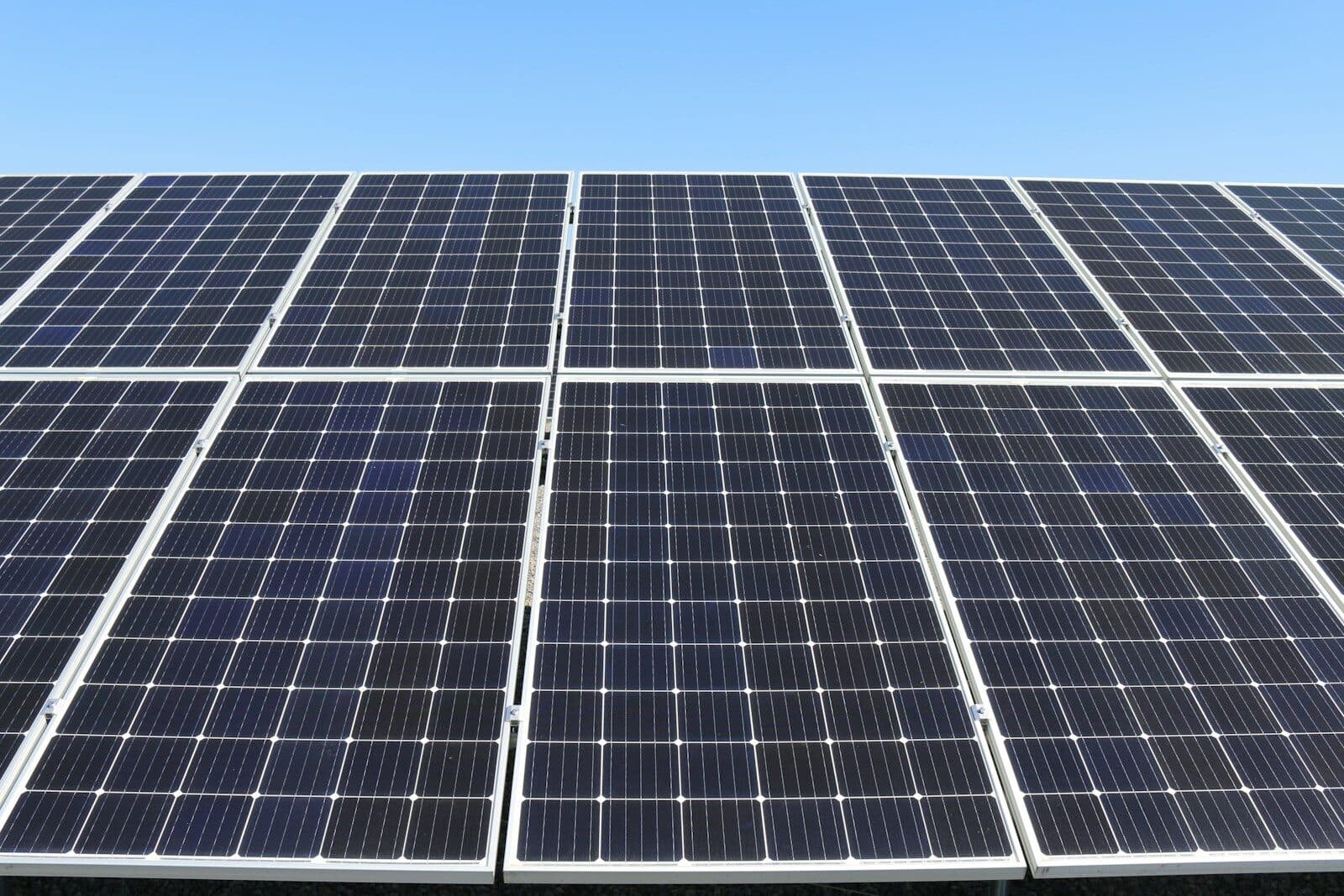
In an Oct. 5 presentation, LUMA said it supports the Energy Bureau’s effort to streamline interconnections for small solar systems of 25 kilowatts or less as part of its process to revise the new regulations. The company endorsed a dedicated fee and a defined review step for those applications, which account for nearly all interconnection requests.
But the private operator of the Puerto Rico Electric Power Authority’s transmission and distribution system favors a more conservative approach to connecting small solar systems and assigning the cost of upgrades when circuits are overloaded.
At the center of LUMA’s objections is the Energy Bureau’s proposed Reserve Fund, which would collect money from all customers installing small solar systems and use it to upgrade feeders that are already at capacity. LUMA argues that, although the fund may sound helpful, Act 114-2007 requires the company requesting an interconnection to pay for any necessary feeder improvements. Its filing warns that adopting the fund would make the regulation internally inconsistent and vulnerable to legal challenges.
LUMA instead supports a single, nonrefundable fee for small solar customers to cover administrative work and any studies needed to evaluate a system. If a project requires physical grid upgrades, however, the company says that customer, not other solar users or general ratepayers, must bear the cost. LUMA cites federal cases to support its position that upgrade expenses should not be spread among people who do not benefit from the work.
The company also backs a more structured process for systems of 25 kW or less, including mandatory checks after activation to confirm that the transformer and feeder can handle the additional solar power. It proposes raising the feeder penetration limit from 15 percent to 30 percent of peak load, saying the higher threshold better reflects actual feeder operations. A system that fails a check could remain connected while undergoing a study to determine whether upgrades are necessary.
To enforce payment for those upgrades, LUMA proposes a sequence of escalating steps: written notice, a cure period, limits on how much power the system can export and, ultimately, termination of the interconnection agreement or removal from net metering.
LUMA separately raises concerns about meter socket adapters, or MSAs, saying they could trigger false tamper alarms on advanced meters and require new testing and billing systems. The company argues that MSA supporters have not demonstrated a clear need for the devices and that adopting them would demand more planning and investment than currently assumed.
The company also opposes compensating customers for curtailment, calling it a safety measure used to protect the grid and arguing that payment for energy not produced would violate Puerto Rico law. In addition, LUMA recommends revisions to the proposed daytime minimum-load screen and questions whether hosting-capacity maps should be published, saying the data could be misleading or expose sensitive information.
The Interstate Renewable Energy Council, a national clean-energy policy group, offered regulators a contrasting view, arguing that the rules should better reflect how modern solar and battery systems operate.
IREC urged regulators to retain a rule allowing small solar-plus-storage systems to qualify for the Simplified interconnection process based on how much power they export rather than their total nameplate capacity. Many battery systems, the group said, have high nameplate ratings but send far less power to the grid, so judging them solely by nameplate capacity could block projects that pose little risk.
IREC also warned that the proposed post-interconnection review would give LUMA too much latitude to assign costly upgrades to small residential customers. It said the review should be limited to secondary-level issues, such as an overloaded transformer or service line, rather than feeder or substation upgrades that could cost tens of thousands of dollars.
As an alternative, IREC encouraged the Energy Bureau to explore incentives for customers to use export-limiting equipment. Such equipment can prevent transformer overloads and help ensure that customers sharing a transformer have fair access to available capacity. The group cited Australia, where utilities use dynamic export limits to manage rooftop solar output.
The group further recommended updating technical screens to account for modern equipment. It said, for example, that the shared-secondary screen should allow up to 100 percent of a transformer’s rating because today’s smart inverters can help regulate voltage and reduce strain on the system.
IREC also asked regulators to let customers revise their applications after receiving screening or study results, saying that flexibility could prevent unnecessary delays and disputes. It urged the Energy Bureau to strengthen smart inverter requirements and establish a clear proactive planning process so LUMA can identify feeders nearing capacity and plan upgrades in advance.
Finally, IREC said Puerto Rico should address the economic dispatch of solar-plus-storage systems in a separate proceeding. Because most homes with solar already have batteries, the group said, well-designed incentives could turn those systems into grid resources that reduce midday voltage spikes and provide support during peak hours.