A 50-room hotel is a small thing on which to hang a trend, but the timing of Nobu Hospitality’s announcement is hard to miss. The global luxury brand said Wednesday that it will open its first Puerto Rico property in San Juan in 2028, arriving as the island’s visitor economy becomes one of the principal drivers of the island’s economy and job creation.
As reported this week by Caribbean Business, leisure and hospitality employment reached 104,800 jobs in August, compared with 81,500 in manufacturing, according to U.S. Bureau of Labor Statistics (BLS) data compiled by the Federal Reserve Bank of St. Louis.
Foundation for Puerto Rico (FPR), for its part, estimates that offshore visitors spent roughly $8 billion on the island in 2025, nearly three times the government’s official visitor profile. The Puerto Rico Chamber of Commerce has launched a Tourism Committee to galvanize the private sector behind this new reality and growth projection.
Nobu‘s unique offering
Nobu Hospitality is expanding its global footprint with a new hotel and restaurant planned for San Juan, marking the brand’s first venture into Puerto Rico and signaling continued investor confidence in the island’s tourism sector.
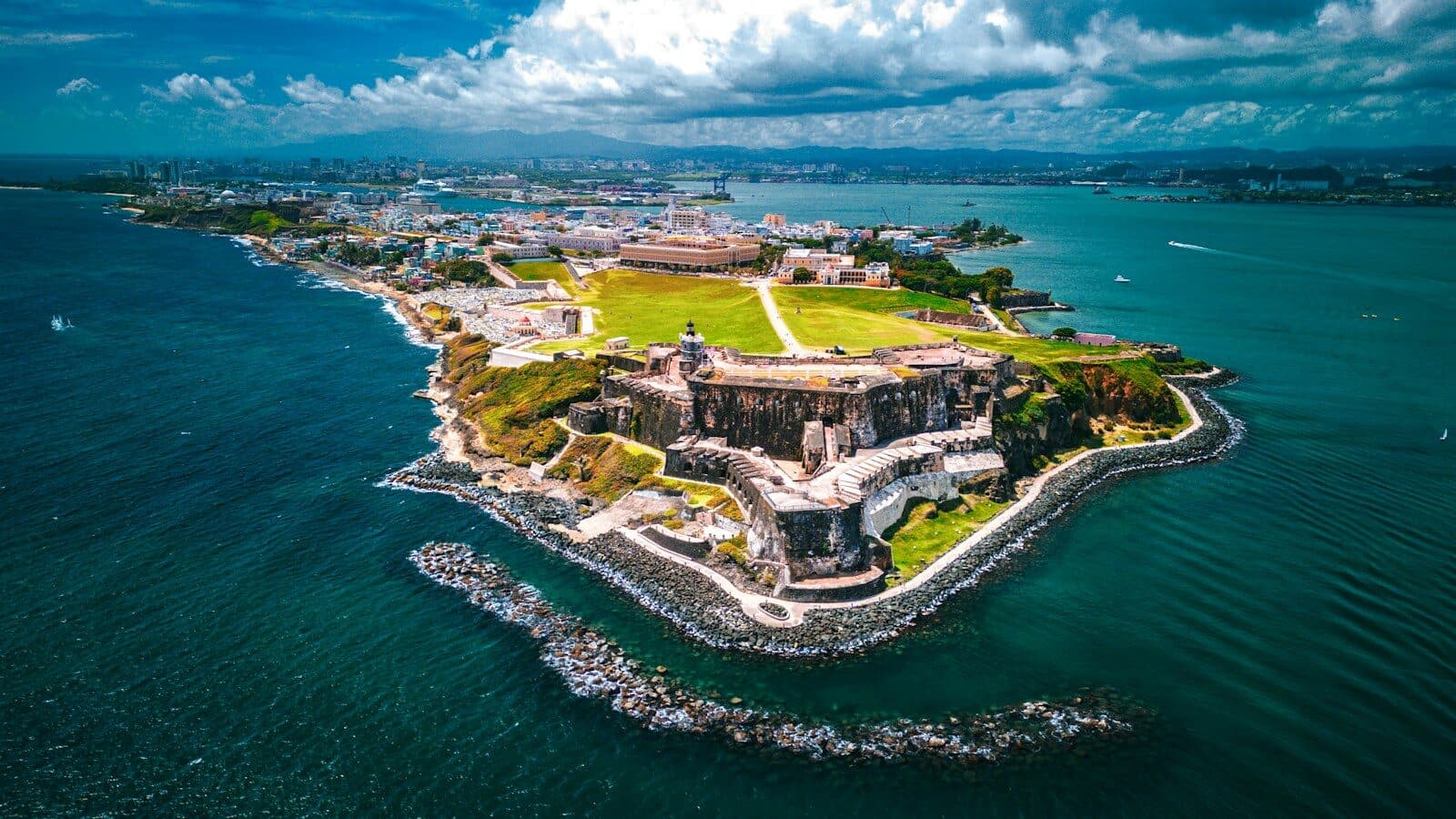
According to a statement, the 50-room Nobu Hotel and Restaurant San Juan is scheduled to open in 2028 and will introduce the company’s signature blend of high-end hospitality, contemporary design and globally recognized cuisine to one of the Caribbean’s most historic urban destinations.
Nobu’s Punta Cana and Tulum units, which face the Caribbean as San Juan does, are the most direct comparisons to the Puerto Rico property.
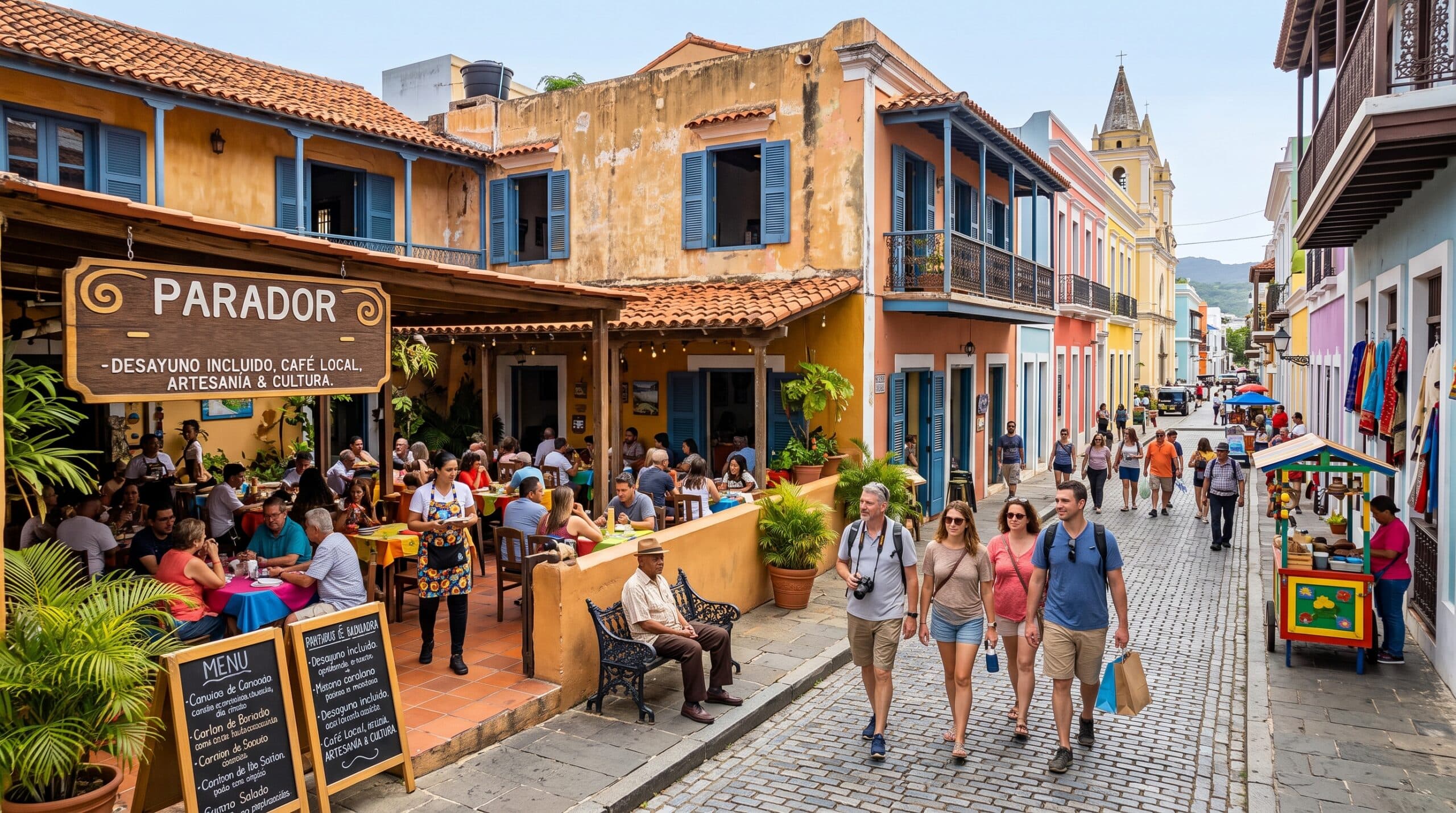
The project will anchor Nobu’s presence in the region with a street-level Nobu restaurant and bar, complemented by a rooftop lounge designed to capture the character of Old San Juan while incorporating the brand’s minimalist aesthetic.
Executives said the development reflects both the strength of Puerto Rico’s tourism recovery and the growing appeal of San Juan among luxury travelers.
“Puerto Rico has long been one of the Caribbean’s most compelling destinations,” said Trevor Horwell, CEO of Nobu Hospitality. “Bringing the Nobu Hotel and Restaurant to San Juan allows us to become part of one of the region’s most storied neighborhoods while introducing our distinctive approach to hospitality in a destination that continues to attract discerning travelers from around the world.”
A bet on a sector that has already arrived
Nobu’s timing fits a pattern the data has been drawing for some time. Per the CB story, leisure and hospitality now accounts for 11% of the island’s nonfarm payrolls, against 8.6% for manufacturing, and the gap of more than 23,000 jobs has widened since the two lines first crossed in 2013.
FPR, whose Visitor Economy Performance (VEP) Model is the most complete attempt yet to size the sector, counts more than 100,000 direct jobs and up to 115,000 once visitor-dependent work in transportation, retail, tours and culture is included.
Demand is rising alongside the payroll. FPR estimates 5.7 million non-resident overnight visitors in 2025, up from 5.3 million in 2024, and projects a near doubling in offshore visitor spending by 2030. The Planning Board’s latest monthly indicators, reported Sept. 27, show hotel registrations up 3.9% from July 2025 to March 2026, with non-residents up 7%, hotel occupancy climbing from 69.9% to 72.7%, and recreation and lodging leading all sectors in job growth in July at 4.9%.
The partner, the design and the portfolio
The Nobu hotel is being developed in partnership with KTT. Managing Partner Joakim Lehmkuhl said the investment aligns with the firm’s view of San Juan as a market with untapped potential for high-end hospitality offerings.
“Few places in the Caribbean combine culture, history and energy the way San Juan does,” Lehmkuhl said. “Nobu saw the same thing, and that shared understanding is what makes this work. This reflects the kind of investment we believe the city deserves.”
“Bringing the Nobu Hotel and Restaurant to San Juan allows us to become part of one of the region’s most storied neighborhoods.”
Trevor Horwell, CEO of Nobu Hospitality
The hotel is expected to blend the vibrancy of the old city with Nobu’s refined, understated luxury. Plans call for thoughtfully designed rooms, intuitive service rooted in the Japanese concept of omotenashi and curated experiences that connect guests with Puerto Rico’s cultural and culinary landscape.
Nobu’s entry into Puerto Rico adds another global brand to the island’s expanding luxury hospitality portfolio, a segment that has drawn increased investor interest as tourism arrivals and spending continue to rise. The company operates more than 35 hotels worldwide, with San Juan joining a pipeline of new developments across the Americas, Europe and Asia.
Omotenashi: the service behind the brand
According to CB research, Omotenashi is usually translated simply as hospitality, but the word carries more. Reference sources describe it as joining hospitality with mindfulness, and trace its development to the role of the host in the Japanese tea ceremony, the discipline shaped by tea master Sen no Rikyu (1522 to 1591), in which hosts prepare meticulously, in some accounts for up to a year, for a single gathering.
Two features set it apart from the service culture most travelers know. It is anticipatory: staff act on a need before the guest voices it, often in gestures the guest never notices. And it is offered without expectation of reward.
In Japan, where tipping is not customary, the service is meant to be its own end. The word reached a global audience in 2013, when television presenter Christel Takigawa used it in Tokyo’s presentation to the International Olympic Committee in Buenos Aires, and it has since turned up in hospitality branding well beyond Japan.
For San Juan, the idea has a practical edge, given the collective pursuit on the island of an enhanced visitor experience, captured by the Chamber’s new Tourism Committee: “Our challenge doesn’t end with offering an excellent room; we have to help that guest discover Puerto Rico, receive consistent service and find reasons to come back,” said Yodil Cabán, general manager of the DoubleTree by Hilton San Juan at Gallery Plaza.
A pipeline of 20 projects, and where San Juan sits
Nobu’s announcement, as published by Hotel Online, describes an operating portfolio on five continents that includes hotels in Manila, Miami Beach, Malibu, London (Shoreditch and Portman Square), Ibiza, Palo Alto, Marbella, Los Cabos, Barcelona, Warsaw, Chicago, Santorini, Atlanta, Marrakech and Seville.
The development list names 20 projects, San Juan now among them. Nine are in the Americas: Toronto, Atlantic City, New Orleans, Orlando, New York, São Paulo, Punta Cana, Tulum and San Juan. Five are in Europe: San Sebastián, Rome, Madrid, Hamburg and Lisbon. Four are in the Middle East: Abu Dhabi, Tel Aviv, Al Khobar and Al Marjan Island. Two are in Southeast Asia: Bangkok and Danang. Punta Cana and Tulum, which face the Caribbean as San Juan does, are the most direct comparisons for a Puerto Rico property.
The strategy behind the list is scale. TheStreet reported that Nobu opened its first hotel in Las Vegas in 2013. In April 2024, Skift reported that the company had 40 hotels announced, and Horwell told the outlet Nobu would reach 80 “within the next five years, easily.”
He also described the economics that make the model attractive to developers: “We make as much on an average restaurant seat as we do in a hotel room.”
That model explains the shape of the San Juan project, a 50-room hotel whose street-level restaurant and bar and rooftop lounge carry as much of the business as the rooms above them.
Each name on Nobu’s list represents a capital allocation made against competing markets, and San Juan has now made it. Whether it makes it again depends in part on the one scoreboard the Chamber is asking for: the next operator weighing San Juan against Punta Cana or Tulum will underwrite on someone’s numbers, and it matters that they are the right ones.
A unified independent-hospitality movement is positioning itself to shape how the island distributes visitation beyond traditional attractions toward island-wide experiences