Maderera Donestevez Invests $3 Million in a Big Bet on Construction, as Headwinds Build
The 65-year-old Carolina distributor joins others betting on building demand, even as a stalled economy and a 5,000-unit housing shortfall cloud the outlook
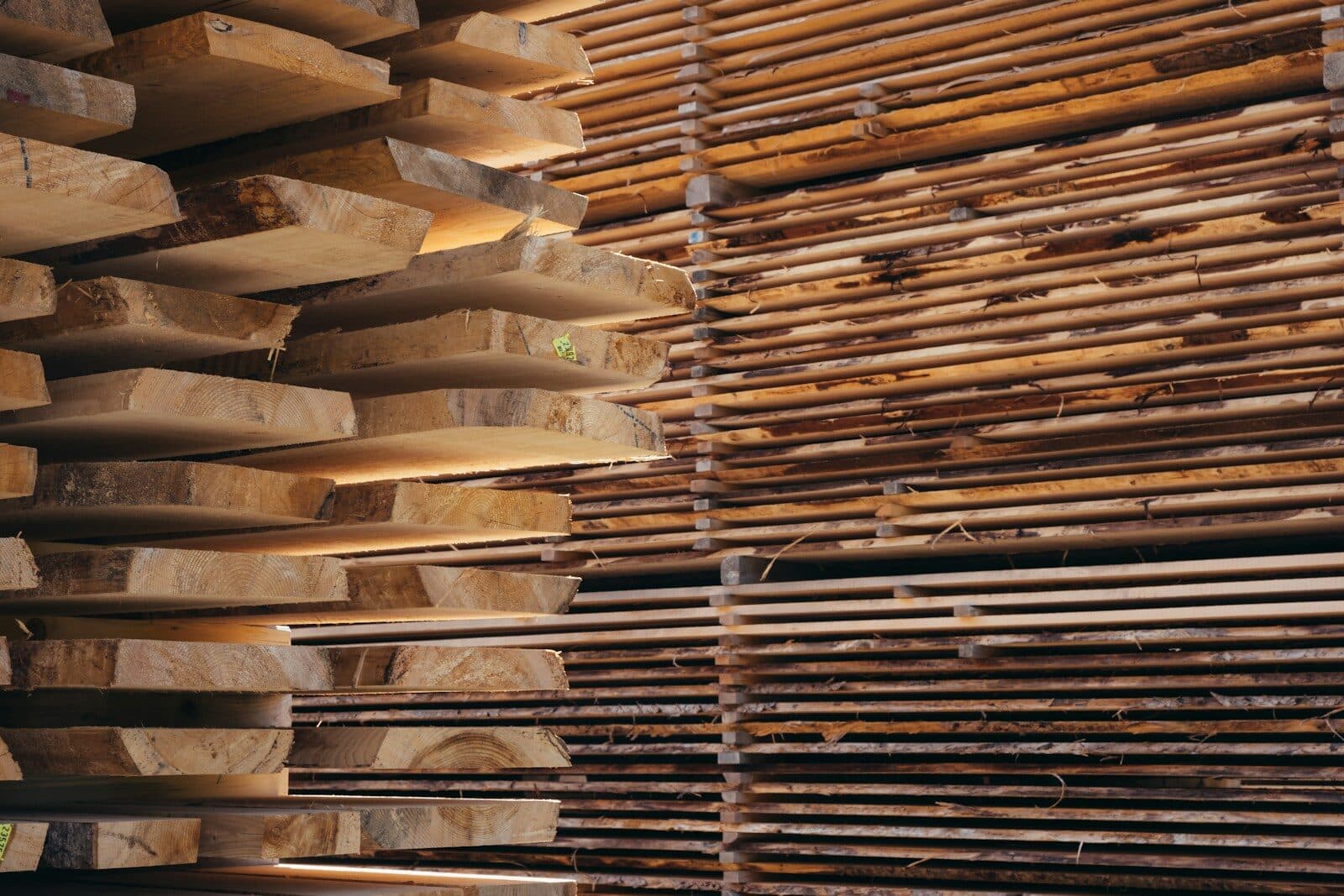
Maderera Donestevez, Inc., the family-owned Puerto Rico distributor of lumber, plywood and construction materials, is investing more than $3 million to remodel, expand and modernize its main store and facilities on 65 de Infantería Avenue in Carolina, as yet another local company puts money behind the growth of Puerto Rico’s construction industry and, by extension, the economy as a whole.
The company, which marks its 65th anniversary this year, said the project includes a new showroom of more than 6,000 square feet, new product lines, an open-aisle hardware store and renovated customer-service areas, according to a Nov. 4 announcement.
The investment follows two other bets CB has reported in recent weeks: Tile Boutique, the new Puerto Nuevo showroom of a San Juan tile and stone company, and RioBlanco, the private investment firm targeting $100 million for a new credit fund while building hotels and luxury housing.
All three are wagering on growth at a time when economists describe an economy that is effectively stalled and builders warn of a housing shortfall of more than 5,000 units.
Donestevez, Tile Boutique and RioBlanco are wagering that sound economic fundamentals outweigh the obstacles, and private investment is filling a gap that public policy has not yet closed.
A bigger store and a showroom for the trades
Maderera Donestevez is moving to an open-aisle hardware model that will let customers browse its product range directly, complemented by a showroom designed for architects, designers, contractors, cabinetmakers and the general public.
The new space will display lines for kitchens, bathrooms, closets and finishes, widening the options for professionals and consumers working on residential and commercial projects. The company said the changes respond to the evolution of its service model, which combines its experience in distributing construction materials with new tools to help customers select products and strengthen business relationships.
“This investment reflects our confidence in Puerto Rico and in the capacity of our people,” said José Alejandro Donestevez, the company’s president. “After 65 years, we continue to grow with the same vision with which this company began: to serve our customers better.”
According to the company, it employs more than 130 people across Puerto Rico and serves wholesale customers and construction professionals locally and abroad. It cites an extensive inventory, five wood treatment plants and its own free zone, which it says strengthens its competitiveness in exports.
The company said its exports to Latin America and the Caribbean have grown by more than 50% over the past five years, a regional business that gives it a source of demand beyond the island’s economy.
Two other bets, same direction
Tile Boutique, which CB reported on Nov. 4, is the second showroom of Stone & Tile, a San Juan company operating since 1985. The smaller space on Avenida De Diego in Puerto Nuevo focuses on high-end ceramic slabs from Italian manufacturer Sant’Agostino and targets architects, designers, developers and construction professionals, the same trades Maderera Donestevez’s new showroom is designed to serve.
RioBlanco, which CB profiled on Oct. 7, is targeting about $100 million for Fund III, a private credit vehicle that has completed its first close. The firm is also developing a 100-room Moto by Hilton in Santurce, is planning a hotel in Aguadilla and has residential projects under way in Guaynabo, Condado and Ocean Park.
The sector they are betting on has been growing from a low base. The construction industry generated nearly $8 billion in 2025, up 5.6%, and construction employment reached 39,900 jobs in July, compared with a low of 20,200 in October 2017 and 69,100 in July 2004, as CB reported on Nov. 4.
Cement sales, a rough gauge of building activity, rose 1.2% in fiscal 2026 to about 15.4 million sacks, and about 40% of the cement consumed was imported.
Federal reconstruction money is a large part of the picture. The Financial Oversight and Management Board says about $62.2 billion has been disbursed since fiscal 2018, with $56.2 billion still available, and has warned that the funds may be masking structural weaknesses in the economy.
Headwinds for the builders’ bet
The outlook those investments face is cautious at best. Forecasts range from a 1.4% contraction in real GNP in fiscal 2027, projected by Estudios Técnicos, to 0.3% growth in real GDP in 2027, projected by Moody’s Analytics.
V2A Consulting calls the economy “effectively stalled” and reports that payroll employment has been largely flat since 2024, while unemployment reached 6.0% in July.
Households are under pressure, which matters for a company that also sells to the general public. Estudios Técnicos’ Consumer Financial Fragility Index rose to 42.2 in the second quarter from 33.7 in the first, consumer-loan delinquency climbed from 2.62% to 3.07%, and consumer prices rose 3.8% in September from a year earlier.
Commercial electricity prices are up 31% since 2019, according to V2A, which also lists delayed tariff effects and higher U.S. interest rates among the risks to the outlook.
The construction industry’s own analysis is more specific. Pinsy Rivera Ortiz, president of the Puerto Rico Builders Association, told CB that the housing shortfall exceeds 5,000 units and that the market is much larger than what builders currently serve. Rafael Rojo, CEO of VRM, said annual construction has not reached 1,000 units in five years. Rojo is a lead investor in Caribbean Business’s publisher. Much of the pipeline is luxury housing, leaving middle-income and workforce housing behind, and permitting spans nearly 100 legal instruments and 45 laws.
Costs are a constraint even for investors at the high end. RioBlanco cofounder Gabriel Jiménez told CB that more than 25% of each investment dollar goes to the government, which he cited as a reason it is difficult to build more affordable housing.
A fourth generation with a regional plan
Maderera Donestevez seems unfazed. The company has grown since 1961 from a small warehouse into a distribution business with regional reach, according to the company.
The fourth generation of the Donestevez family now runs it, with José Alejandro Donestevez as president and Carla Donestevez as vice president (both pictured here). Both joined management in 2012 and have driven efforts in technology modernization, operational efficiency and commercial transformation, the company said.
“Our history shows the value of perseverance, long-term business relationships and the commitment of our team,” said Carla Donestevez. “Generational continuity allows us to preserve the principles on which the company was founded while we continue to develop new capabilities to compete and grow in today’s market.”
The company scheduled anniversary activities for the week of Nov. 2 to 7 for employees, suppliers, business partners and customers, including the official inauguration of the new showroom, guided tours for customers and industry representatives, meetings with local and international suppliers, and technical demonstrations and product presentations for customers and cabinetmakers.
For a distributor that sits upstream of every project, the bet is as much on the sector’s pipeline as on its own stores. A showroom aimed at architects, designers and contractors pays off if projects keep getting permitted, financed and built, and the evidence CB has gathered points both ways: capital and demand on one side, and a stalled economy, costly permitting, high energy prices and a housing market skewed to luxury on the other.
Donestevez, Tile Boutique and RioBlanco are wagering that the first outweighs the second, and private investment is filling a gap that public policy has not yet closed.
The manufacturer has added capacity for solar projects and a new warehouse, even as a 50% U.S. steel tariff and a stalled economy test the market it is building for
For now, Tile Boutique’s launch in Puerto Nuevo arrives as builders face a housing shortfall and an economy the Oversight Board says is growing slowly and leaning on federal money