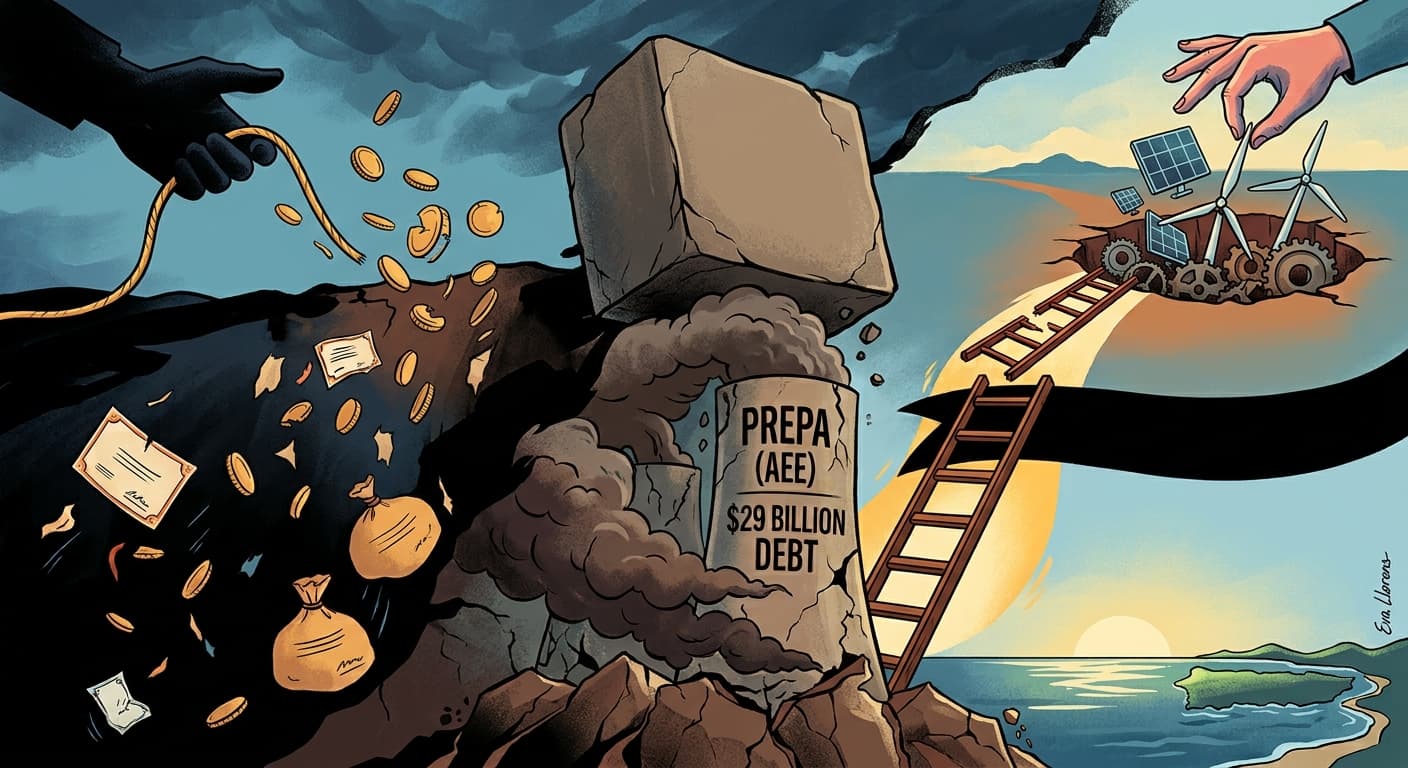
The Puerto Rico Energy Bureau has ordered Genera PR, LUMA Energy and the Puerto Rico Electric Power Authority (PREPA) to explain the interruption in natural gas supply at the San Juan power plant and to reconcile major discrepancies in their fuel cost projections, warning that the proposed rate increases for the fourth quarter of 2026 cannot be approved until the record is clarified.
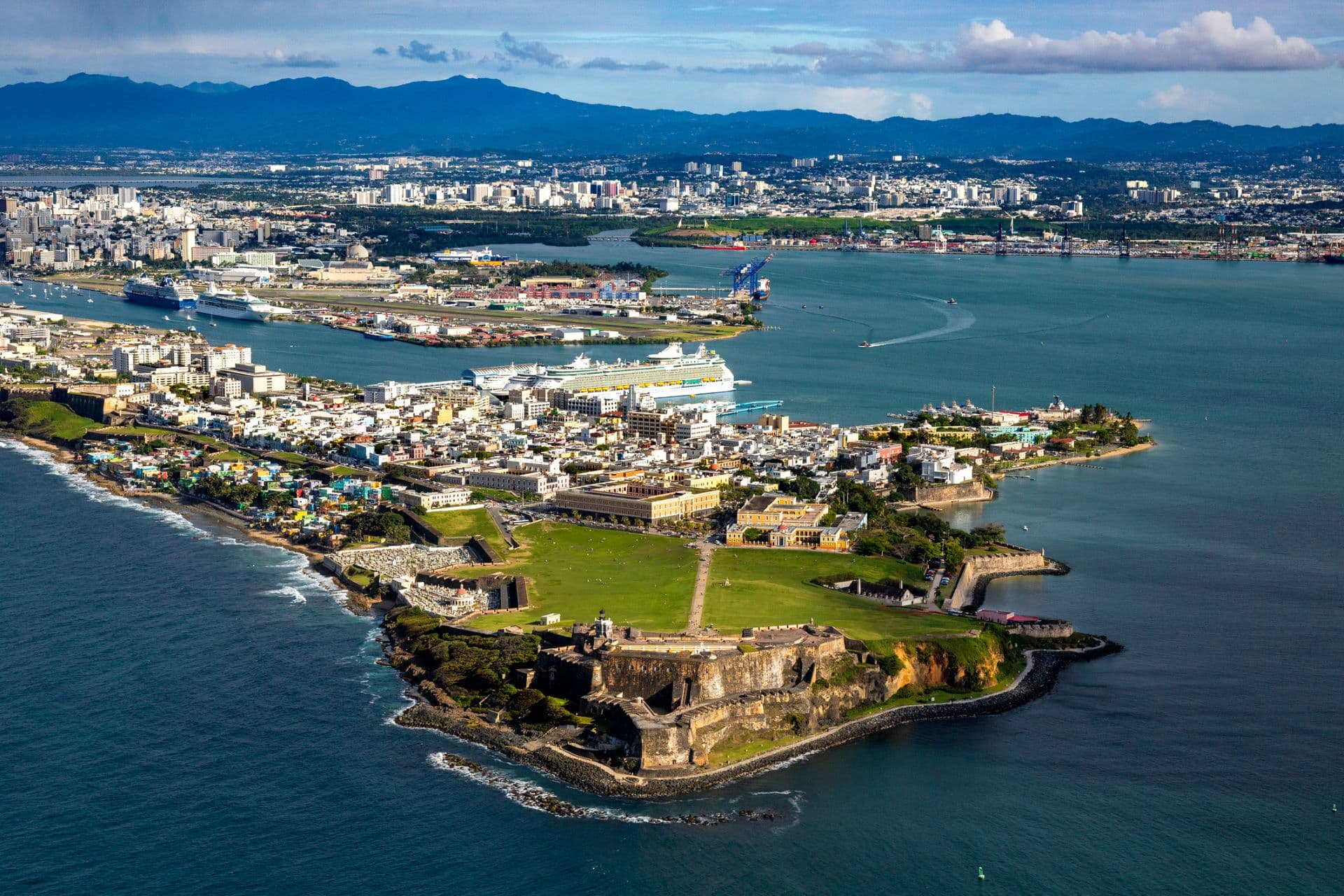
In a Resolution and Order issued September 25, the Bureau said LUMA’s proposed fuel charge adjustment of $0.180736 per kilowatt-hour, up from the current $0.114070, relies on assumptions that no longer reflect operating conditions at San Juan and Palo Seco, where natural gas has not been available since mid-September—a direct consequence of the maritime standoff between New Fortress Energy and harbor pilots that has dominated Puerto Rico’s energy headlines for weeks, as reported yesterday by Caribbean Business.
Understanding the Supply Disruption
The interruption stems from two simultaneous events. First, PREPA’s Third-Party Procurement Office reported that NFEnergía’s floating storage unit “departed the San Juan terminal on September 16, 2026 and had not returned,” leaving the terminal without on-site LNG (liquefied natural gas). A floating storage unit is a specialized ship that stores LNG at the dock, keeping fuel immediately available for power plants.
At the same time, Genera disclosed that the LNG carrier Amur River “has been waiting approximately 12 nautical miles north of San Juan Bay, pending authorization to enter the port” due to the dispute between New Fortress Energy and the harbor pilots.
The Bureau found that customers may be asked to pay for natural gas that was nominated and invoiced but never consumed.
That dispute centers on whether the Amur River’s dimensions exceed safe maneuvering parameters for San Juan Bay.
The consequence: no floating storage unit on-site, and no incoming replacement vessel able to dock. PREPA and Genera are left supplying LNG-dependent power plants with no source of supply.
The Contractual Complexity
The Bureau noted that each event carries different contractual consequences under the Gas Sales Agreement, including potential Force Majeure claims (legal language allowing parties to suspend contractual obligations due to extraordinary circumstances beyond their control), take-or-pay obligations for PREPA (which may be required to pay for gas whether or not it receives it), or deliver-or-pay liabilities for NFEnergía (which may owe penalties if it fails to deliver contracted volumes).
The Bureau also found that customers may be asked to pay for natural gas that was nominated and invoiced but never consumed. Genera’s fuel purchase reports show that San Juan Units 5 and 6 were billed based on nominated quantities rather than actual burn, including an “Excess Nomination” of 1,192,366 MMBtu (million British thermal units) in June valued at $11.9 million.
Although Naturgy issued seller-shortfall credits in June and July, no deliver-or-pay credits from NFEnergía appear in any month.
PREPA confirmed that its dispute with NFEnergía remains active in federal court, where it seeks $54.96 million for failure to deliver contracted gas volumes. LUMA stated that the disputed amount remains unbilled to customers under a prior Bureau order.
The Forecasting Mismatch
The Bureau highlighted a second major inconsistency: Genera’s Fuel Budget Report forecasts fuel purchase costs of $230.5 million, $212.6 million and $213.5 million for October through December, while LUMA projects significantly lower totals of $196.9 million, $189.3 million and $184.9 million.
That’s a difference of tens of millions of dollars, a gap large enough to swing whether rate increases are justified.
The government cannot approve rate increases that assume LNG will continue flowing through this terminal if the terminal’s own regulatory status remains unresolved.
The Fuel Budget Report includes 300,000 barrels of ULSD (ultra-low-sulfur diesel) per month, while LUMA’s forecast assumes almost no diesel burn at temporary generation units and only minimal diesel at San Juan Units 5 and 6. The Bureau said it must understand whether the forecasts reflect fuel purchases, fuel consumption, inventory replenishment or assumptions that have already been overtaken by events—in other words, are these projections based on realistic operational conditions, or do they reflect a pre-crisis view of how power plants will be fueled?
Long-Term Terminal Viability Questions
The Bureau also raised concerns about the long-term reliability of the San Juan LNG terminal itself. The U.S. Army Corps of Engineers has questioned whether the terminal’s mooring configuration constitutes a “permanently moored floating vessel” requiring authorization under Section 10 of the Rivers and Harbors Act, a federal statute governing infrastructure in navigable waters. The Coast Guard and harbor pilots have objected to navigation risks, and FERC (the Federal Energy Regulatory Commission, which oversees interstate energy infrastructure) has requested undisclosed engineering information in its environmental review.
The Bureau said these regulatory developments “bear directly on the continuity of natural gas supply” and must be addressed in PREPA’s fuel-security contingency planning. In other words, PREB is signaling that the government cannot approve rate increases that assume LNG will continue flowing through this terminal if the terminal’s own regulatory status remains unresolved.
Genera, LUMA and PREPA must respond to a detailed Fourth Request for Information by September 29 at noon and appear at a virtual technical conference on Monday, September 28, 2026, at 10:00 a.m., with personnel responsible for fuel procurement, dispatch forecasting, contract administration and litigation.
The Bureau has effectively frozen rate increases until these questions are answered.