From the Bakery to the Coffee Shop: The Evolution of the Coffee Industry
The rise of “third-wave” coffee is reshaping Puerto Rico’s coffee industry, boosting consumption and redefining the experience—while highlighting ongoing supply challenges.
The shift to specialty cafés boosts consumption while highlighting challenges in Puerto Rico’s domestic coffee supply
If you are over 40 or 50, you remember when, to fight the 3:00 pm slump, you had to go for a coffee run before the office cafeteria close, or run downstairs to go to the bakery shop across the street for a “pocillo.” Or maybe, when you skipped your morning cup of joe because you were running late and had to stop at your local bakery for a “café calle” on your way to the office. Well, those all-too-common scenes seem to be a thing of the past –if you are not a millennial, that is.
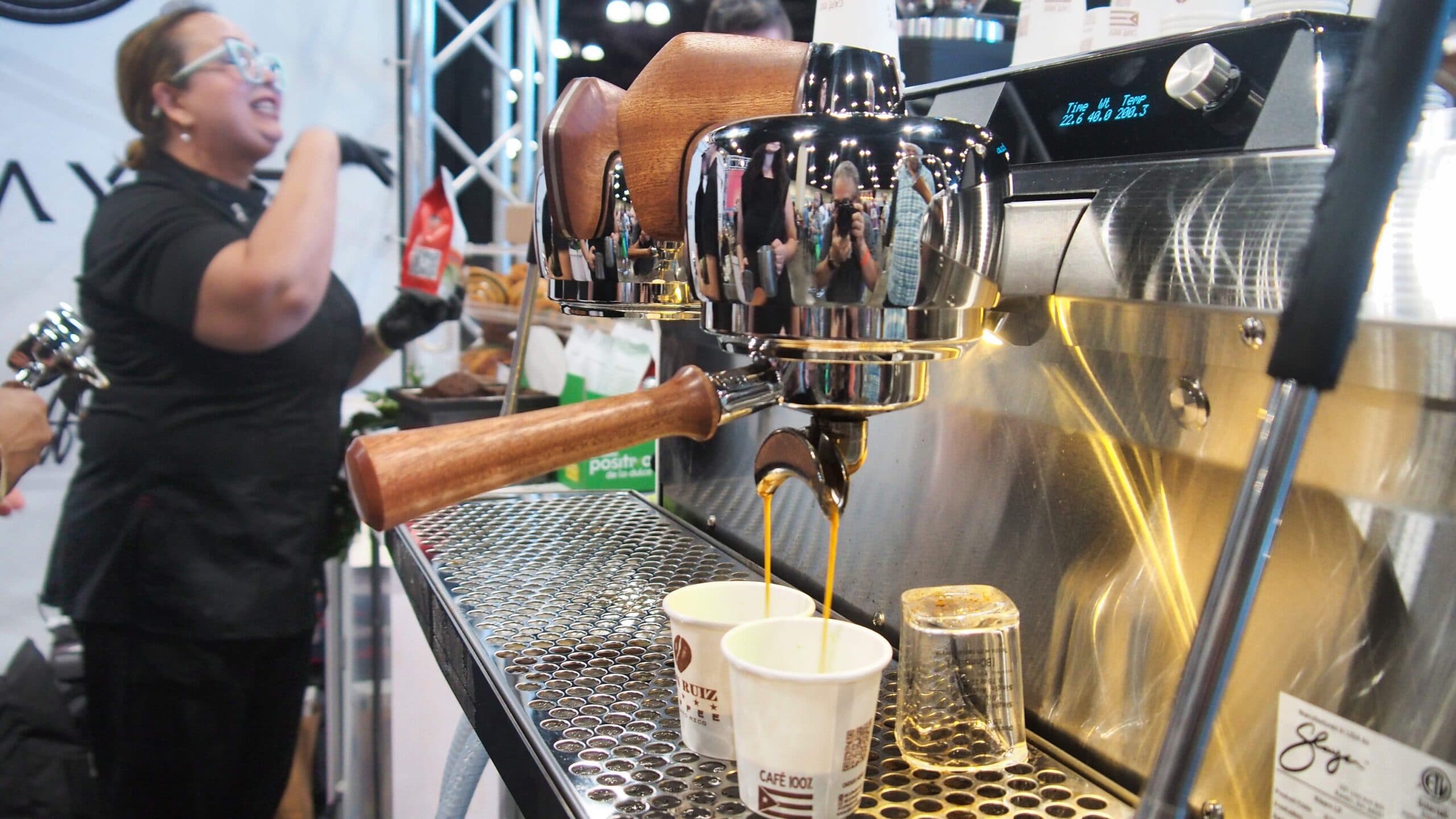
Nowadays, coffee shops have substituted both the bakery and the cafeteria… and they are thriving.
According to Pedro Fernández, producer of the Puerto Rico Coffee and Chocolate Expo, while coffee consumption in Puerto Rico has experienced a steady increase, it’s in the coffee shops where the industry has grown and evolved the most.
“That growth is due to the ‘third wave coffee’ we’ve experienced… Before that, we used to have our coffee at the bakery or at the restaurant after lunch. But nowadays, as with any other food industry segment, it is no longer enough to just present a high-quality product [to the consumer], but how said presentation is made,” Fernández said.
“Coffee is not just a drink; it has become an experience,” he added.
For Fernández, third-wave coffee has elevated local coffee to a high-quality artisan product, highlighting its origin, roast, and taste as if it were a fine, premium wine.
“This evolution of the coffee shop has played a significant role in the consumption and commercialization of coffee in Puerto Rico, albeit the challenges it poses,” explained the entrepreneur.
But despite the industry’s growth, in recent years, particularly after Hurricane María, coffee production in Puerto Rico has been decreasing. According to the Department of Agriculture (DA)statistics, coffee production barely covers 30 percent of the island’s total consumption. So, the needs of the island’s coffee demand are covered by imported coffee.
In Puerto Rico, the only entity authorized to import coffee is the DA’s Agricultural Services and Development Administration (ASDA). The DA then regulates the proportions of locally grown coffee beans that are to be mixed with the imported ones. Current government regulation mandates that only coffee with at least 35 percent locally grown beans can be labeled as “Puerto Rican Coffee” or “Made in Puerto Rico.”
“This regular everyday coffee is the one you get at the supermarket, and it is blended according to DA’s and the Department of Consumer Affairs (DACO, for its Spanish acronym) regulations, which include pricing,” said Fernández, who also estimates that most of the island’s premium coffee production is mainly consumed here.
According to the entrepreneur, the coffee expo provides consumers with “a platform to learn, taste, and support the island’s coffee industry.”
This year’s edition of the Coffee and Chocolate Expo gathered more than 200 exhibitors, with an estimated attendance of more than 22,000. According to Fernández, more than $650,000 in direct sales were reported over the previous two years, excluding negotiations and sales made after the event.
“Our industry is composed of local, blended, and imported coffees. The idea behind this event is to afford participating brands the possibility of connecting with consumers so they can personally experience their brands and their value proposition,” he said.
“Listen, not everybody can afford a $20 per pound coffee… and not all exhibitors here peddle such. There are those who offer good, affordable roasts for your everyday cup. And there is that higher-quality coffee, better suited for a nice gift or your Sunday morning brew… like a fine wine. Hey, we would all love a bottle of fine wine every day with lunch, but that can’t always be,” Fernández mused.
About the possibility of the price of coffee having a negative impact on its consumption, Fernández argued, “coffee is so ingrained in our beings and our culture” that it is bound to continue growing.
“For me, more than adversely affecting consumption, the price of coffee has rearranged people’s interest in how and where they would be drinking their coffee,” he concluded.
Puerto Rico’s coffee industry continues to evolve, with specialty coffee shops driving growth in consumption even as local production remains below demand, increasing reliance on imported beans.
Pedro Fernández, producer of the Puerto Rico Coffee and Chocolate Expo, discusses the growth of specialty coffee and the evolution of coffee culture on the island. (Photo: JUAN A. HERNÁNDEZ)
As Gov. Jenniffer González-Colón courted investors at the NYSE, retailers’ leader argued small businesses need regional markets along with U.S. capital