Energy & Oil·Francisco Rodríguez-Burns··2 min read
House Speaker: Plan to Eliminate ‘Crudita’ Would Not Require New Taxes
Listen to this article
0:00 / 0:00
Proposal hinges on budget adjustments as lawmakers await fiscal modelin
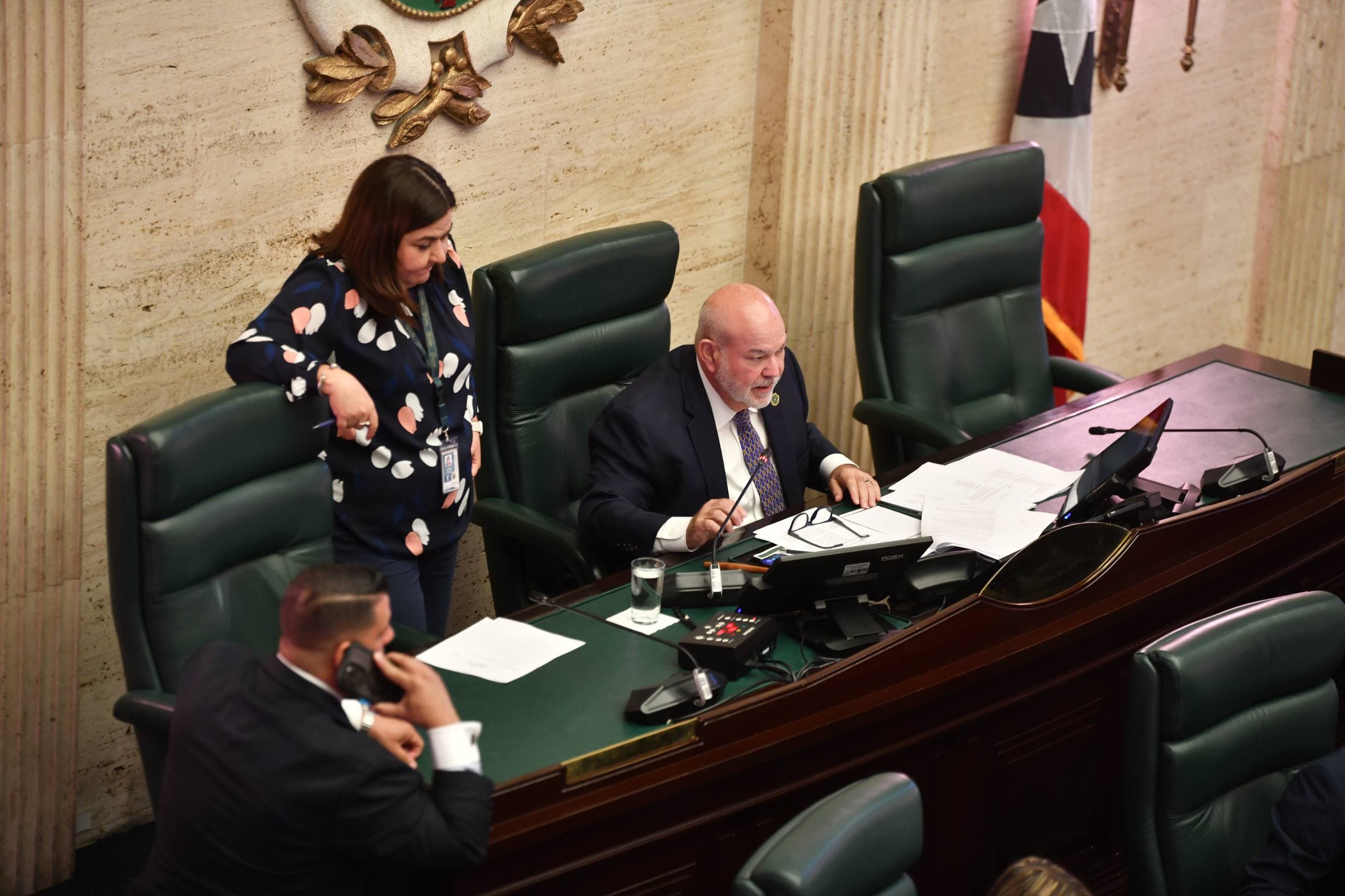
House Speaker Carlos “Johnny” Méndez Núñez said a forthcoming proposal to eliminate Puerto Rico’s gasoline tax—known as the “crudita”—would not be offset by new taxes, but instead through adjustments within the existing budget.
Speaking during a regular legislative session, Méndez Núñez said the House of Representatives is developing a plan based on updated fiscal data that would remove the tax while identifying alternative revenue sources without increasing the burden on taxpayers.
“Unlike in the previous term, when a 45-day suspension of the tax was approved without supporting data, we intend to present a proposal with real numbers and a clear path to replacing that revenue within the budget—without new taxes,” he said.
The speaker noted that lawmakers are awaiting economic modeling from the Office of Management and Budget of the Legislative Assembly (OPAL), a key component in shaping the final proposal.
The initiative comes as the Financial Oversight and Management Board for Puerto Rico has maintained that the tax cannot be eliminated due to its contribution—estimated at roughly $400 million annually—to the island’s General Fund following the restructuring of the Puerto Rico Highways and Transportation Authority.
Méndez Núñez acknowledged that any proposal must address that fiscal reality to secure the board’s approval. He also cautioned that temporary suspensions, such as those implemented in prior years, have resulted in revenue losses ranging from $25 million to $39 million.
If approved, the measure would provide direct relief to consumers, who could see savings of approximately eight cents per gallon.
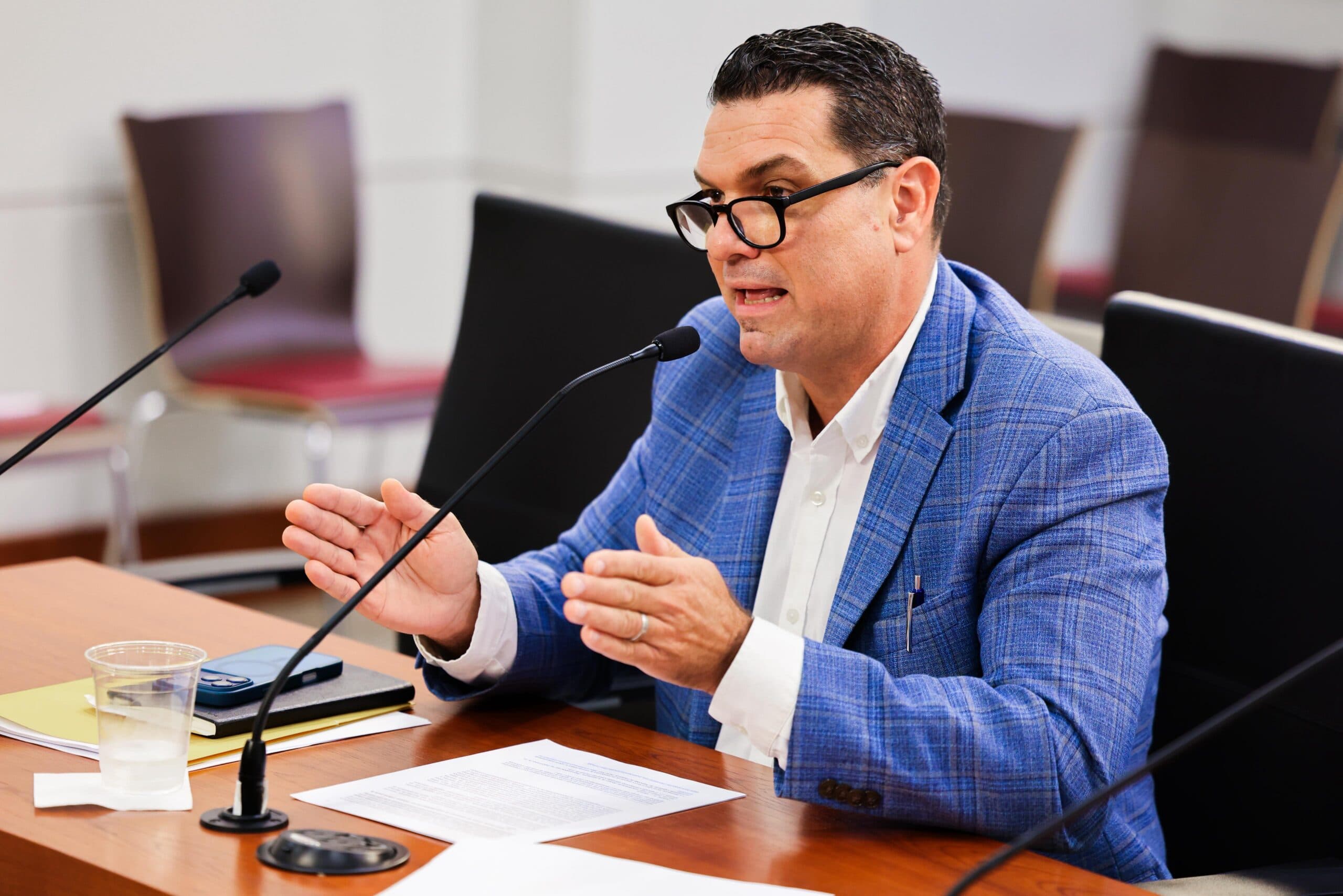
Rep. Luis “Junior” Pérez Ortiz echoed the speaker’s position, emphasizing that the majority delegation is focused on long-term fiscal solutions.
“Our responsibility is to bring real solutions to the country, not temporary fixes,” Pérez Ortiz said. “Any decision must be backed by clear financial analysis.”
Members of the Puerto Rico House of Representatives discuss a proposal to eliminate the gasoline tax known as the “crudita” during a legislative session at the Capitol.
Javier Rúa Jovet, director of public policy at the Puerto Rico Solar Energy and Storage Association (SESA), said the proposed rate structure penalizes low-energy consumers and those investing in solar solutions, disproportionately affecting vulnerable populations and diverging from Puerto Rico’s public energy policy.