Judge Laura Taylor Swain will the dispute over cancelled 400 MW contract
The federal lawsuit filed by Power Expectations, LLC over the Puerto Rico Electric Power Authority’s cancellation of a 400‑megawatt emergency generation contract will now proceed before U.S. District Judge Laura Taylor Swain, the judge who has presided over the Puerto Rico Electric Power Authority’s (PREPA) Title III bankruptcy for nearly a decade.
The transfer, ordered by Judge Raul M. Arias‑Marxuach and formalized by the Clerk’s Office on September 17, places the dispute directly in the courtroom that has overseen every major development in PREPA’s restructuring since 2017. Swain agreed to oversee the suit.
The shift in venue comes after Power Expectations challenged PREPA’s bid to dismiss or redirect the lawsuit, arguing that federal court jurisdiction is clear under PROMESA’s “related to” standard. The Texas‑based company filed suit on September 2 seeking reinstatement of the Power Purchase and Operating Agreement (PPOA), damages for breach of contract, and declaratory relief tied to PREPA’s obligations under the Title III process.
Power Expectations said that the case belongs in federal court because the PPOA was executed during PREPA’s bankruptcy with approval from the Financial Oversight and Management Board, and because the agreement itself incorporates Title III procedures into PREPA’s payment obligations. The company told the court that any ruling on the validity of PREPA’s termination would directly affect the utility’s operational responsibilities, financial exposure and administration of its bankruptcy estate.
The company also cited a 2025 decision involving LUMA Energy, where the court held that disputes touching PREPA’s contractual rights under post‑petition agreements fall within PROMESA’s jurisdiction. In that case, the court found that litigation over PREPA’s operational contracts could influence the Title III estate and therefore belonged before the federal judge overseeing the bankruptcy.
Power Expectations argues the same logic applies here. The PPOA contains explicit forum‑selection provisions directing disputes to the U.S. District Court for Puerto Rico when they relate to PREPA’s bankruptcy or any matter governed by Title III. Article XVIII requires that any legal action arising from or affecting the PREPA bankruptcy be brought exclusively in federal court, and Section 20.1 mandates that disputes relating to the agreement be adjudicated in the same forum. The company says these provisions underscore the contract’s integration with PREPA’s restructuring and reinforce the jurisdictional nexus.
PREPA, for its part, had insisted that Power Expectations failed to follow PROMESA’s procedural requirements, including filing the mandatory PROMESA cover sheet, and therefore the court cannot grant the relief sought in its current form. The utility asked Judge Arias‑Marxuach to dismiss the case or transfer it to Judge Swain, arguing that any matter “related to” the bankruptcy must be filed as an adversary proceeding under the Federal Rules of Bankruptcy Procedure.
PREPA also requested that all deadlines—including its upcoming response to Power Expectations’ preliminary injunction motion—be suspended until the jurisdictional issue is resolved, saying it would be inappropriate to litigate the injunction before determining the proper forum.
The lawsuit stems from PREPA’s cancellation of the $5.9 billion temporary power generation contract after the Oversight Board revoked its approval, citing severe operational and compliance deficiencies. The most consequential development occurred when ERock, Inc., the holding company for consortium partner Enchanted Rock, informed the Board that it was not a party to the project and that its name and signature had been used without authorization.
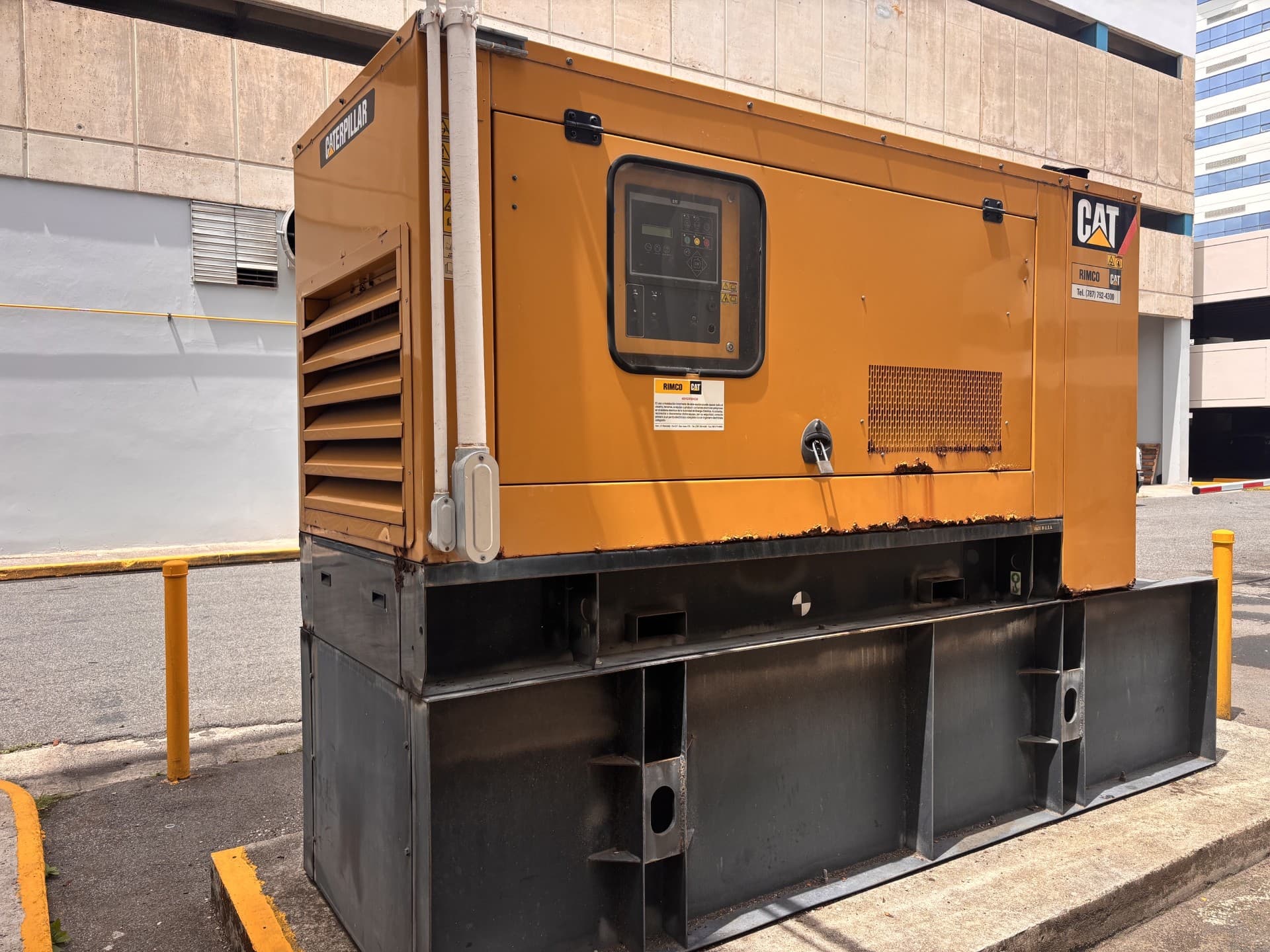
With the case now formally transferred, Judge Swain will determine whether Power Expectations’ claims proceed, whether the lawsuit must be refiled as an adversary proceeding, and how the dispute fits into the broader context of PREPA’s long‑running restructuring—an outcome that could influence how quickly the utility can deploy temporary generation to stabilize aging plants such as Aguirre in Salinas.