For most of the half century Caribbean Business has covered this economy, the arrival of a large employer was a scheduled event. A multinational chose Puerto Rico, announced a plant, named a headcount, and the island added a few hundred jobs to the base. That story still runs in these pages and in other media, but no longer as often as it once did.
To be sure, capital keeps arriving, mainly via Invest Puerto Rico industrial promotions, but with long permitting waits and energy on the island roughly two and a half times mainland rates, the arithmetic of Puerto Rico’s growth must rest on other fronts.
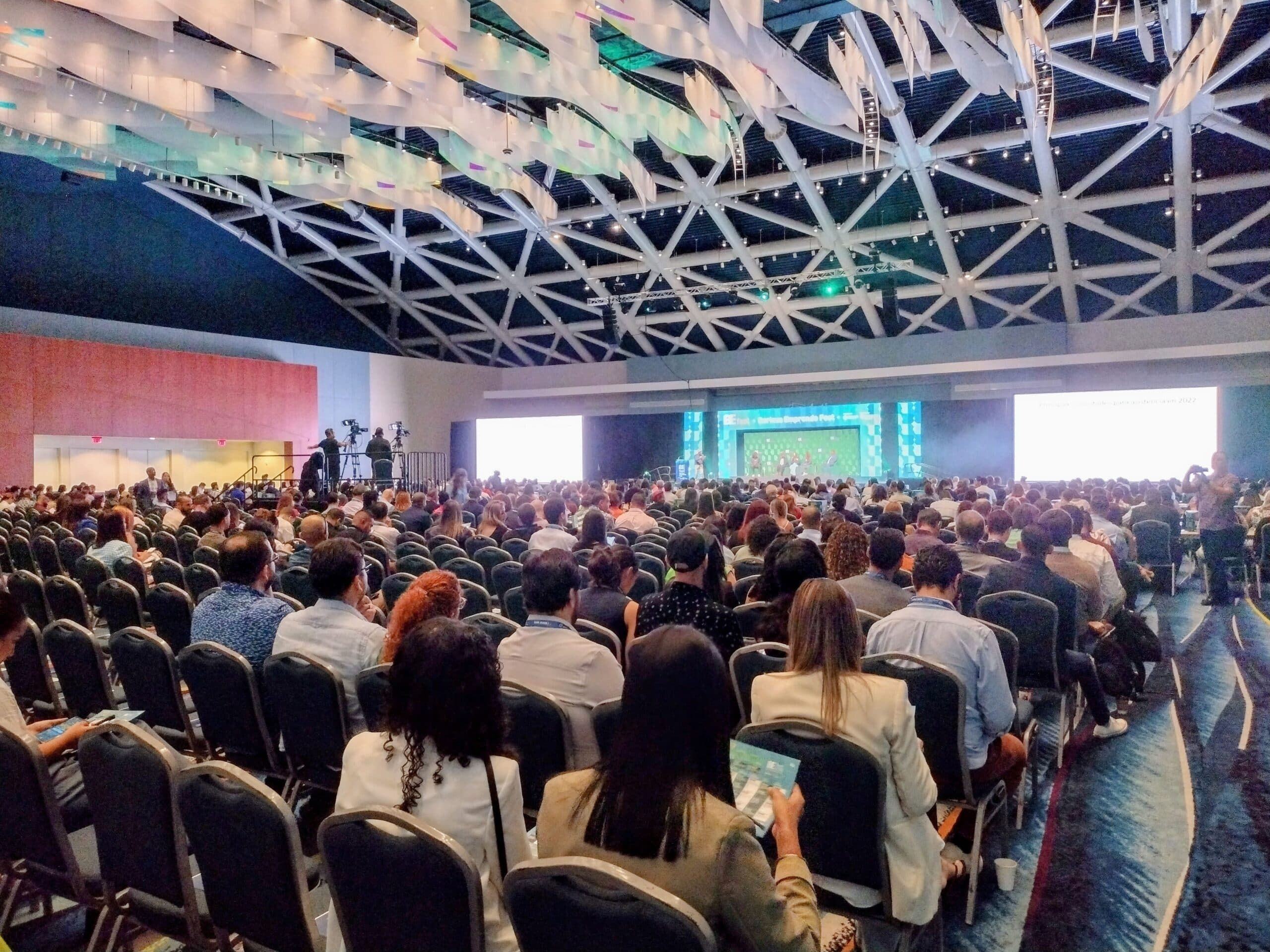
One is on display tomorrow at BE Fest, the island’s largest annual gathering of companies that begin here, with only a few employees, and scale into the exporters and employers the island used to recruit from abroad.
The event’s eighth edition, at the Puerto Rico Convention Center, is presented by the Puerto Rico Science, Technology and Research Trust through its entrepreneurship programs Colmena66, Fase1 and Parallel18.
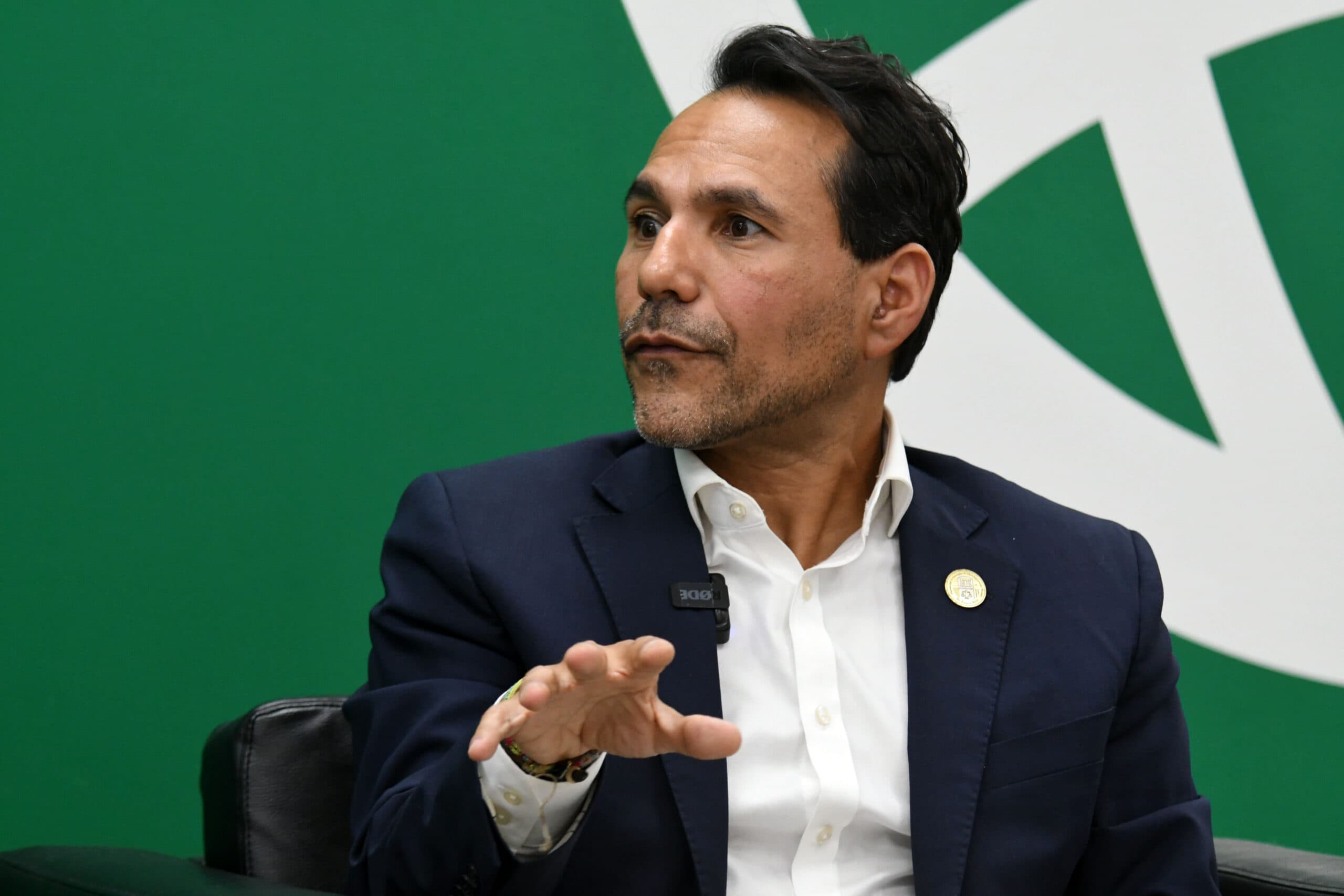
“We are preparing to welcome approximately 2,000 attendees to BE Fest 2026,” Bárbara Rivera, Colmena66’s executive director, told Caribbean Business. “Over the past seven editions, the event has brought together thousands of entrepreneurs, business owners, resource organizations and members of the entrepreneurial ecosystem. This year, we expect another strong turnout as we celebrate a decade of Colmena66 and continue connecting entrepreneurs with the resources and support they need to grow.”
The agenda is built for transactions rather than inspiration: sessions on access to capital, marketing, artificial intelligence, incentives and finance; more than 60 business support resources staffing El Panal Expo; a Mentor Hub offering one on one sessions; a marketplace of service providers covering legal, marketing and human resources work; local vendors in the Pop Up Markets; and the BE Boricua Pitch Competition, where founders compete live for cash prizes. The Enactus National Social Enterprise Competition runs at BE Fest for the first time this year.
A “Growth & Scale” track built around Açaí Express and Sacató, two companies that grew from local operations into established brands, is the clearest signal of where the organizers want the conversation to go.
Friday will also be the venue for the launch of the 2025 State of the Entrepreneurial Community Report, Colmena66’s annual census of the island’s business population and the closest thing the ecosystem has to an official scoreboard.
Ten years measured in connections
Rivera was direct about how the organization defines success, and about what its 10th anniversary actually proved.
“Our greatest achievement over these 10 years has been helping connect the dots across Puerto Rico’s entrepreneurial ecosystem,” she said, citing more than 250 organizations connected through the Resource Network, more than 21,000 entrepreneurs served directly, more than 51,000 interactions that resulted in referrals to Network organizations, and more than 69,000 searches through the Resource Navigator tool.
“But beyond the numbers,” Rivera said, “one of our greatest achievements has been helping create a culture of collaboration across the ecosystem, connecting entrepreneurs with organizations, mentors, resources and opportunities that can help them move their businesses forward.”
Those are Colmena66’s own point of contact numbers. A second, larger data set comes from the organizations in its Resource Network themselves.
In the 2024 Business Support Organizations Survey, 102 organizations representing 148 programs reported a collective impact of $404 million in funding secured by participants, $558 million in participating business sales, $205 million in capital deployed during the year and $158 million more lined up to deploy in 2025, 22,100 jobs created, and 10,100 businesses created, launched or scaled.
Those figures exclude Colmena66’s own results and measure only what its partner organizations did.
On how the organization tracks all of this, Rivera pointed to a mix of survey instruments and a customer relationship management platform.
“We look at both the evolution of Puerto Rico’s entrepreneurial ecosystem and the ways in which entrepreneurs engage with the resources available to them,” she said, citing the Resource Directory, the weekly business events calendar, and initiatives such as Tu Camino Empresarial, Acércate al Grant and Levanta tu Negocio as year round channels beyond the annual survey and the BE Fest gathering itself.
Where the pipeline narrows
The most useful part of Colmena66’s own data is what it says about where Puerto Rico’s entrepreneurs get stuck, as revealed by the 2025 survey drawn from a convenience sample of 555 entrepreneurs and 94 support organizations.
Permitting still functions as a tax on formation. Twenty six percent of business owners took more than six months to obtain permits, 30% reported losses tied to permit delays, and 19% put those losses between $10,000 and $100,000.
Capital looks more like a readiness problem than a supply problem. An estimated $158 million was available to be deployed in 2025, yet 44% of entrepreneurs identified seed capital as an obstacle, 39% said they were unfamiliar with seed capital and grant options, 57% cited a lack of financial skills as a barrier to financing, and 31% were funding their businesses out of personal savings.
And the operating environment keeps grinding on margins. Seventy six percent of entrepreneurs named inflation as an obstacle, 63% named inconsistent electric service, 64% reported cash flow problems, and 62% expressed significant concern over tariff changes.
Forty six percent said they are not prepared for a crisis, 41% have no alternate power source, and 41% operate without insurance.
The scaling evidence
Where the ecosystem has pushed hardest, the numbers move. Parallel18’s ninth year impact report counts more than 600 startups supported and more than 10,000 applications received, with more than 500 startups now operating in Puerto Rico and nearly 40% of them founded since 2020.
Median startup revenue rose from $75,000 to $500,000 between 2022 and 2024, and 82 local and international startups graduated from its programs in 2025. Cumulatively, the flagship P18 international program has graduated 320 companies, more than 41% of them Puerto Rican, and distributed $13.3 million in seed capital.
In August, Parallel18 placed 21st in the first TIME and Statista ranking of U.S. incubators and accelerators, the only Puerto Rico organization among the 80 programs selected.
A median of half a million dollars in revenue is not a large cap number. It is, however, the number that precedes one.
The next decade, as Colmena66 sees it
Asked to look ahead, Rivera described a trajectory built on the same indicators her own survey tracks.
“The indicators point to businesses becoming more profitable, greater adoption of artificial intelligence and other technologies, and growing expectations for expansion into new markets,” she said.
“At the same time, the ecosystem of organizations supporting entrepreneurs continues to strengthen and collaborate more closely.”
Her framing of what success would look like was specific about where the responsibility sits. “We envision an ecosystem where more people have the opportunity to start, grow and scale businesses, and where entrepreneurs have access to the resources, knowledge, technology and capital they need to succeed,” Rivera said.
“Economic development is possible when we put the entrepreneur at the center of what we do and work together to create the conditions for businesses to thrive.”
That certainly seems like an undeniable way to frame the goal. It is also, by Colmena66’s own data, not yet the reality on the ground.
The gap between an ecosystem that connects 21,000 entrepreneurs to resources and an economy that replaces the large scale employment Puerto Rico is losing runs directly through the obstacles the 2025 survey documents: permitting timelines, capital readiness, and an operating cost structure that taxes every business on the island regardless of size.
Friday’s gathering is evidence the connective tissue exists. Whether it is strong enough to carry a company from three employees to three hundred and three thousand is the question this island’s next decade of growth will answer.