Puerto Rico is entering a decisive phase in the reshoring wave that is redefining U.S. manufacturing strategy. As geopolitical tensions, supply-chain fragility and the search for secure, U.S.-proximate production hubs reshape corporate decision-making, the island is emerging as one of the most competitive platforms in the American orbit.
The trendline is now measurable. In fiscal year 2025, Invest Puerto Rico (InvestPR) secured commitments of $476 million in capital investment and 3,186 new jobs across 504 new businesses, at an average salary of $65,000, nearly double the island’s overall average wage.
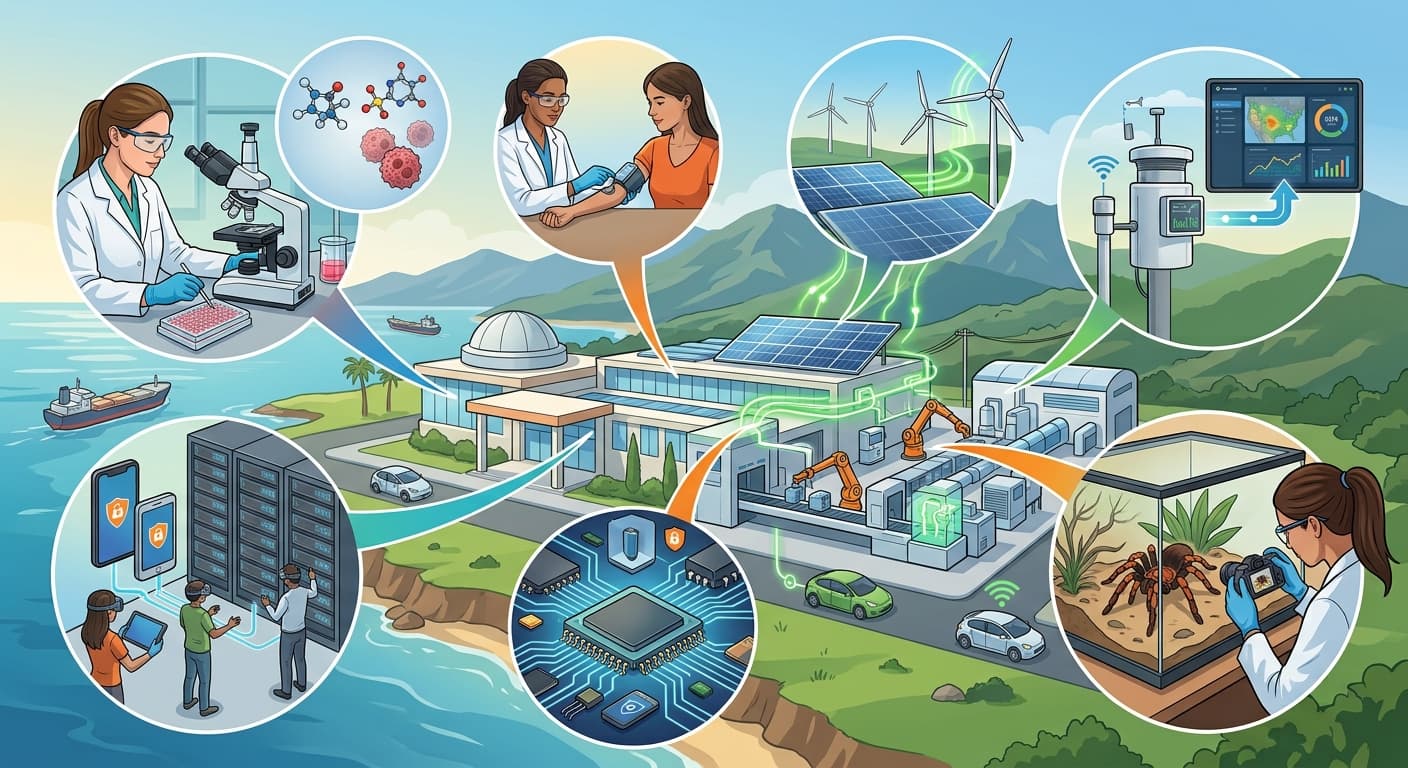
Interest is accelerating across biosciences, advanced manufacturing, technology and professional services, and recent multimillion-dollar investments suggest that companies are not just exploring Puerto Rico but committing to it.
Still, both InvestPR and the Puerto Rico Manufacturers Association (PRMA) caution that the island must move quickly to modernize infrastructure and streamline processes if it wants to convert this momentum into lasting economic transformation.
PRMA Executive Vice President Karen MojicaFranceschi
The deals behind the trend
The shift is visible not only in conversations, but in concrete projects. In May 2026, Amgen announced a new $300 million expansion at its Juncos biologics campus, bringing its recent investment on the island to nearly $1 billion. The same month, Onovexa LLC opened a $36.2 million facility transforming a former Novartis plant in Humacao into a production site for medical-grade sanitary wipes and absorbent products, a project expected to create 203 direct jobs with an estimated annual payroll of $10.6 million.
In April, Taiwan-based PharmaEssentia signed an agreement to build a $46 million manufacturing facility in Toa Baja, its first in the United States, creating a dual-site network between Taiwan and Puerto Rico and more than 90 specialized jobs to strengthen global supply resilience. And in August, Abbott Laboratories expanded its Arecibo operations with a $3.2 million investment in a cardiovascular medical device project expected to create more than 60 specialized jobs.
These announcements, spanning multinational giants and local firms, underscore the breadth of Puerto Rico’s industrial appeal and the growing urgency among companies to diversify and secure their supply chains.
A coordinated push for suppliers
Executives say one of the most significant changes underway is the coordinated push to attract suppliers to Puerto Rico, a strategy that did not exist with the same intensity even a few years ago. Karen Mojica Franceschi, executive vice president of the Manufacturers Association, said companies have been forced to rethink sourcing as instability in Asia and the Middle East disrupts access to critical components.
“Our members have been looking for alternatives and diversifying where they find the pieces and materials they need,” she said. “They’ve been trying to attract suppliers to establish themselves here in Puerto Rico.” The goal is to reduce exposure to distant markets where geopolitical shocks can halt production overnight.
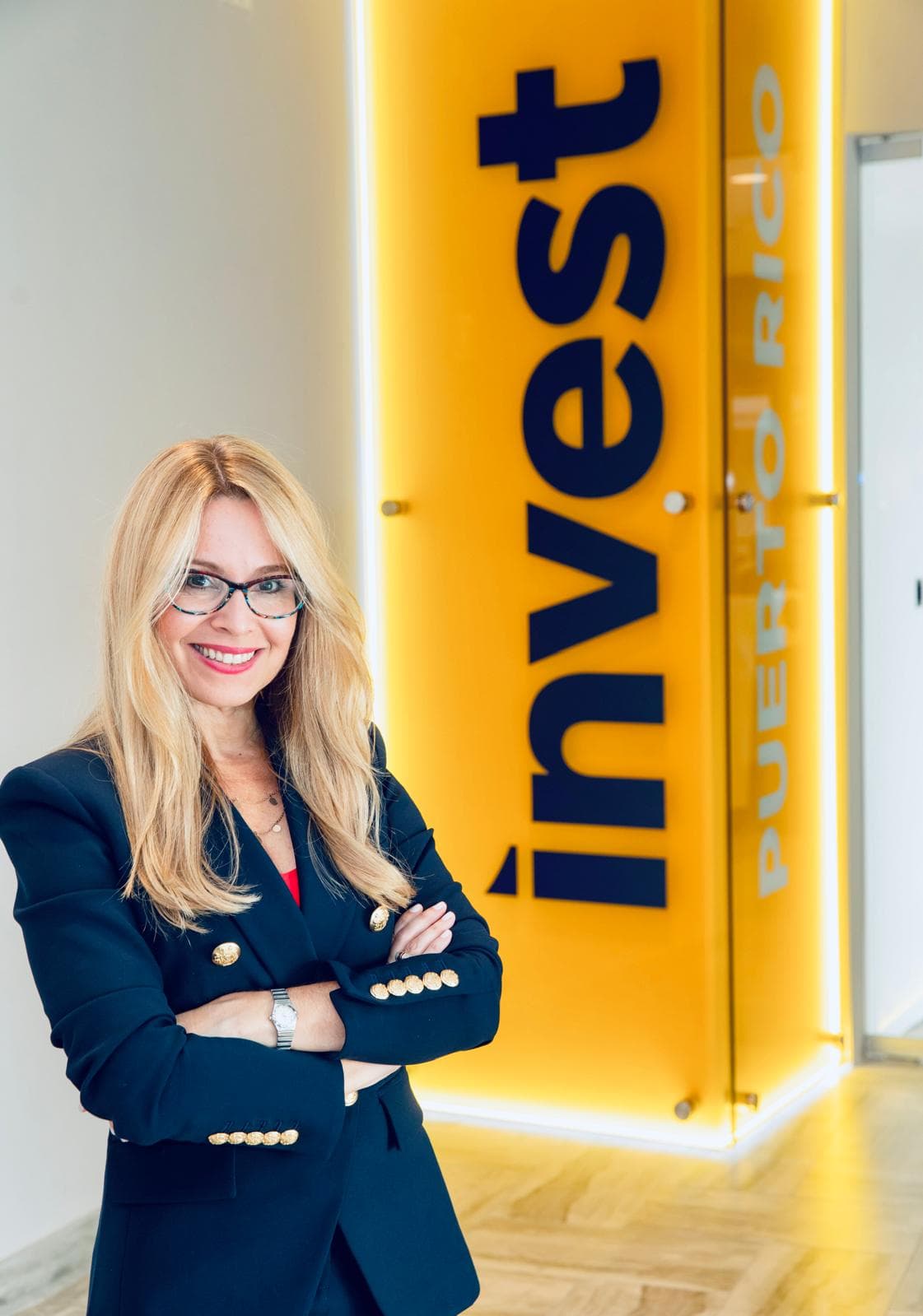
Ella Woger-Nieves, CEO of Invest Puerto Rico, said supplier attraction is now a formal part of the island’s industrial strategy. By identifying gaps in local supply chains, the agency can target companies that would directly serve Puerto Rico’s existing manufacturing base. “Companies are looking for greater resilience, more security and proximity to their markets,” Woger-Nieves said. “Puerto Rico is appearing more and more in these conversations.”
A widening pipeline
That visibility is translating into measurable activity. At BIO International, the world’s largest biotechnology conference, InvestPR held more than 100 meetings with companies exploring U.S. expansion. SelectUSA produced another wave of interest from firms seeking to relocate operations closer to the mainland.
The agency’s current pipeline shows both diversification and concentration: nearly 90 percent of active prospects fall within biosciences, advanced manufacturing, technology and professional services. The companies come from Canada, Korea, Switzerland, Colombia, Taiwan, Spain, Mexico, Argentina and the Dominican Republic, along with a sizable share, 30 to 40 percent, from the United States.
The scale of these firms varies widely. Some are startups with fewer than ten employees seeking their first U.S. foothold. Others are multinational manufacturers with global workforces of 500 to 1,000 employees that want to establish Puerto Rico operations with teams of 50 to 100. Woger-Nieves said these projects typically take two to three years to materialize, depending on the sector.
From cost to risk
The conversation with manufacturers has also shifted. For decades, cost dominated every discussion. Today, executives are weighing risk above all else. “Companies are not only evaluating cost and efficiency,” Woger-Nieves said. “They’re evaluating geopolitics, supply-chain security, access to talent and the ability to be close to their final market.” Puerto Rico is no longer just a cost-driven alternative. Increasingly, it is being positioned as a risk-mitigation platform in an unpredictable global environment.
But the opportunity comes with serious challenges. Energy reliability, water infrastructure, permitting delays and the lack of modern industrial facilities remain the biggest barriers to landing new projects. Many government-owned industrial properties are outdated or poorly maintained, with specifications that fall short of what modern manufacturers require.
Mojica Franceschi noted that a textile company recently told her that in the United States it expects to be operating within two months, while in Puerto Rico the process can take far longer. “We know it can take much more time here,” she said. “We compete every day, not just with other countries, but with every state in the U.S.”
Infrastructure modernization is another urgent priority. Woger-Nieves emphasized the need for a more resilient electrical grid, industrial microgrids, improved port infrastructure, specialized logistics corridors and greater fiber-optic and 5G density to support AI-enabled manufacturing. These upgrades are essential for attracting high-value projects and ensuring operational continuity.
Incentives not the deciding factor
Incentives, often assumed to be the deciding factor, are not what ultimately drives investment decisions. “People think it’s incentives, and it’s not,” Woger-Nieves said. Companies evaluate total cost and total risk.
Mojica Franceschi added that confidence in government stability has become increasingly important. “Sometimes the rumor about infrastructure weighs less than the rumor about instability in the organizations that lead economic development,” she said.
Talent remains one of Puerto Rico’s strongest assets, and one of its emerging challenges. The island has a robust STEM workforce, and the University of Puerto Rico at Mayagüez, the system’s engineering campus, is recognized by the American Society for Engineering Education as the leading producer of Hispanic engineers in the United States.
But companies say they need additional skills. Mojica Franceschi highlighted the growing importance of soft skills such as interpersonal communication, time management and adaptability. She also pointed to gaps in vocational and technical roles: machinery operators, plant-electricity technicians, cistern and redundancy-equipment operators, positions essential to daily manufacturing operations but not typically produced by university STEM programs.
The base Puerto Rico is building on
Both leaders agree that Puerto Rico’s industrial base remains strong. The island continues to be one of the top exporters of pharmaceuticals and medical devices in the United States, and manufacturing accounted for 44.2% of Puerto Rico’s GDP in fiscal year 2024, according to DDEC’s most recent manufacturing profile, more than four times the roughly 10% U.S. national average and well above Indiana’s 24%, the highest share of any individual mainland state.
But they also stress that global competition is relentless, and the island must accelerate reforms to maintain its edge. Whether the reshoring becomes a lasting economic transformation will depend on how quickly the island can modernize its infrastructure, streamline its processes and align its talent pipeline with the demands of a rapidly evolving industrial landscape, they said.
The initiative by Bristol Myers Squibb, with a communications strategy led by Arteaga & Arteaga, used an immersive art experience to promote greater understanding and awareness of schizophrenia.